
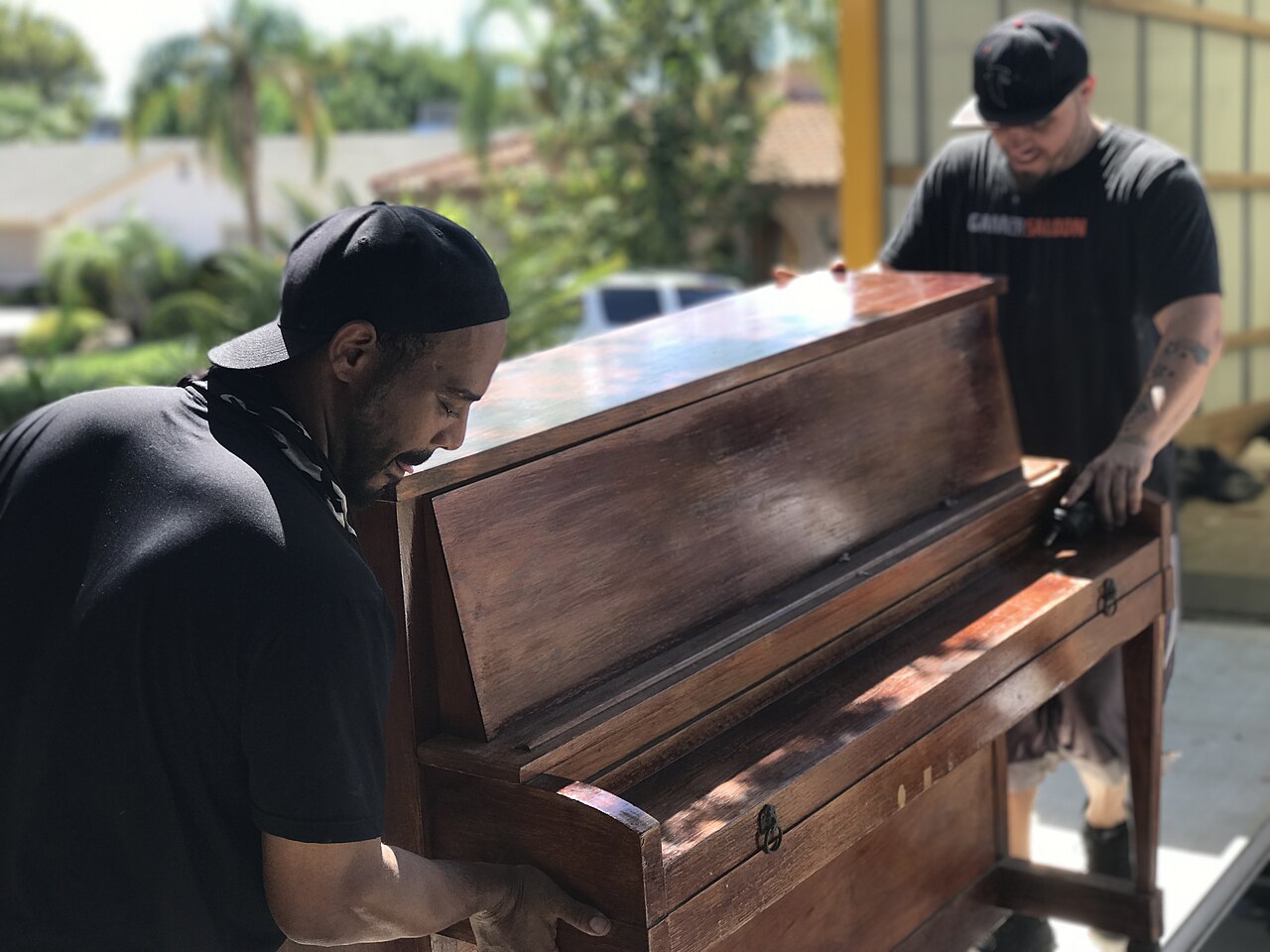
Moving a piano is very different from relocating regular household belongings. These large and heavy instruments can be difficult to lift, maneuver, and transport, especially when they are located in tight spaces or areas with stairs, narrow doorways, or uneven ground. This is why many homeowners consider piano moving services when they need to relocate a piano safely and efficiently. At Colorado Premier Moving & Storage, we help customers manage challenging moves with careful planning, proper equipment, and experienced handling designed to protect both the piano and surrounding property.
Unlike standard furniture, a piano contains delicate internal components, strings, keys, pedals, and a heavy structural frame that need to be protected during transportation. Moving the instrument without considering these components can increase the possibility of scratches, structural damage, or internal problems. Proper preparation and route planning can make the relocation more efficient while helping protect both the piano and the surrounding property.
What Makes A Piano Difficult To Relocate?
Pianos can weigh hundreds of pounds even when they are relatively small. Upright pianos can weigh around 300–800 pounds, while grand pianos may weigh 500–1,200 pounds or more. Their size, shape, and weight distribution can make them difficult to maneuver through doorways, hallways, stairs, and tight corners.
Before the move, several factors should be considered:
- Piano type, dimensions, and weight
- Doorways and access points
- Hallways and narrow pathways
- Stairs or elevation changes
- Distance between locations
- Available moving equipment
- Piano disassembly requirements
- Placement of the piano at the destination
Planning these details in advance can help reduce unexpected obstacles and make the relocation more efficient.
How Is A Piano Prepared For Transportation?
Before transportation, movers need to consider how the piano will be supported, protected, and positioned. Because pianos are not designed to be carried like ordinary furniture, the moving method needs to account for their weight distribution and delicate construction.
The keyboard lid should be secured, pedals and other vulnerable parts should be protected, and removable components may need to be wrapped separately. Grand pianos may require additional preparation, including removing the legs, pedals, or music rack before transportation.
Protective moving blankets and padding can help reduce the risk of scratches and dents, while suitable straps and equipment can help keep the piano stable during movement.

Navigating Tight Spaces And Difficult Access
One of the biggest challenges of relocating a piano is getting it out of or into a property. A piano may need to pass through narrow doorways, around corners, across uneven ground, or through areas with limited clearance.
Before the move, the route should be measured and inspected for potential restrictions. Doorways, hallways, stairs, elevators, gates, and the final placement area should all be checked before moving day. In some situations, doors or other obstacles may need to be temporarily removed to create sufficient clearance.
Tools and Equipment for Moving a Piano
Moving equipment plays an important role when handling a heavy and delicate piano. Depending on the piano type and property layout, movers may use specialized tools and equipment to support, lift, protect, and transport the instrument. These tools can help control the piano while reducing the risk of damage during the move:
- Piano dolly
- Piano board or skid board
- Moving blankets
- Heavy-duty moving straps
- Ratchet straps
- Lifting straps
- Ramp
- Measuring tape
- Protective padding
- Moving truck with suitable loading equipment
Grand pianos may require specialized boards and additional support because of their larger size and shape. Using the right equipment can make the process safer and more controlled.
Step-by-Step Piano Moving Process
A piano move requires careful preparation before the instrument is lifted or transported. The process generally starts with measuring the piano and moving route, followed by preparing the piano, protecting its surfaces, selecting suitable equipment, and planning how it will be loaded and secured for transportation.
- Inspect the Moving Route: Measure the piano, doorways, hallways, stairs, elevators, and other access points to identify possible obstacles.
- Prepare the Piano: Secure the keyboard lid and protect pedals, music racks, legs, and other removable or delicate components.
- Clear the Path: Remove furniture, rugs, decorations, and other obstacles that could interfere with the moving route.
- Prepare the Equipment: Depending on the piano and location, movers may use a piano dolly, skid board, moving straps, blankets, ramps, or other suitable equipment.
- Protect the Piano: Wrap the instrument with suitable padding and moving blankets to help prevent scratches, dents, and other surface damage.
- Secure the Piano: Proper support and straps help keep the piano stable while it is being moved and loaded.
- Load and Transport: The piano is carefully moved onto the truck and secured to minimize shifting during transportation.
- Unload and Position: At the destination, the piano is carefully unloaded and placed in the prepared location.
- Reassemble and Check: Any removed components are reassembled, and the piano can be checked after it has been positioned.
This organized approach helps make Piano Moving more manageable while reducing the risk of damage to the instrument and surrounding property.
Protecting Your Property During The Move
A piano relocation can involve more than protecting the instrument itself. Floors, walls, doors, stairs, furniture, and other parts of the property may also be exposed to accidental contact during the move.
A carefully planned route can help reduce these risks. Protective materials and controlled movement can provide additional protection when the piano needs to pass through restricted areas, across finished floors, or around tight corners.
Keeping children and pets away from the moving area can also help create a safer working space for the moving crew.
Moving A Piano To Its New Location
Once the piano reaches the destination, placement requires the same level of planning as removal. The selected area should provide sufficient space for the piano while allowing comfortable access around the instrument.
The piano should also be placed on a suitable, stable surface. Before final placement, homeowners should confirm that the location is ready so the instrument does not need to be moved again after delivery.
After a piano is moved, its internal components may need time to adjust to the new environment. Professional piano movers may recommend allowing the instrument to settle before scheduling a tuning.
Common Problems That Can Complicate A Piano Move
Several unexpected issues can make piano relocation more difficult. Identifying them before moving day allows homeowners and movers to prepare accordingly.
Common challenges include:
- Narrow doorways
- Tight hallways
- Steep stairs
- Uneven surfaces
- Limited driveway space
- Sharp corners
- Low ceilings
- Long carrying distances
- Elevator restrictions
- Heavy or oversized pianos
- Difficult destination access
- Inadequate placement space
Early planning can help reduce delays and make the moving process more organized.
Piano Moving Cost By Project Type
The cost of moving a piano depends on the type of piano, weight, distance, accessibility, labor, and equipment required. Current 2026 estimates put professional piano moving at around $200–$1,000, with an average cost of about $400. Larger pianos, difficult access, stairs, long-distance transportation, disassembly, and additional protection can increase the final price.
| Project Type | Typical Cost Range | What Affects The Cost |
| Digital Piano | $200 – $350 | Lower weight, simpler handling, shorter moves |
| Spinet / Console Piano | $250 – $450 | Piano size, access, labor, and distance |
| Upright Piano | $300 – $600 | Weight, crew size, stairs, and transportation |
| Baby Grand Piano | $400 – $800 | Size, disassembly, equipment, and access |
| Grand Piano | $500 – $1,200 | Weight, size, specialized equipment, and handling |
Note: Actual pricing can vary based on the piano’s size and weight, moving distance, access conditions, equipment requirements, stairs, disassembly needs, and additional protection or insurance services.
How Hard Is It To Move A Piano?
Moving a piano is a serious challenge, so homeowners need to decide whether to handle the move themselves or hire professionals.
If you choose the DIY route, you may need equipment such as a piano dolly, moving straps, padding, blankets, ramps, and a suitable truck or trailer. You will also need several people to help handle the instrument safely. Even an upright piano can weigh hundreds of pounds, while larger grand pianos can weigh more than 1,000 pounds.
Professional piano moving generally costs around $200–$1,000, with an average of about $400, depending on the piano type, weight, distance, accessibility, labor, and equipment requirements. Experienced movers have the tools and handling techniques needed to maneuver large instruments through challenging areas more efficiently.
DIY handling can also increase the risk of damage. Improper moving techniques may cause problems with the piano’s finish, legs, keys, pedals, internal components, or structural parts. Moving a piano incorrectly can also create a risk of personal injury or property damage. Professional movers use specialized equipment and techniques to help reduce these risks.
What Should Be Checked Before Moving Day?
A few simple preparations can help make the relocation more efficient. Homeowners should provide accurate information about both the current and new locations so potential access problems can be identified before the move begins.
Before moving day, check:
- Piano measurements
- Piano weight and type
- Doorway widths
- Hallway dimensions
- Stair locations
- Ground conditions
- Distance from the property to the vehicle
- Truck access
- Destination surface
- Final placement area
Having these details ready can help reduce surprises during the relocation. Measuring the piano and all necessary pathways before moving is especially important when the property has narrow doors, tight corners, or stairs.
Why Experienced Piano Movers Can Make Relocation Easier
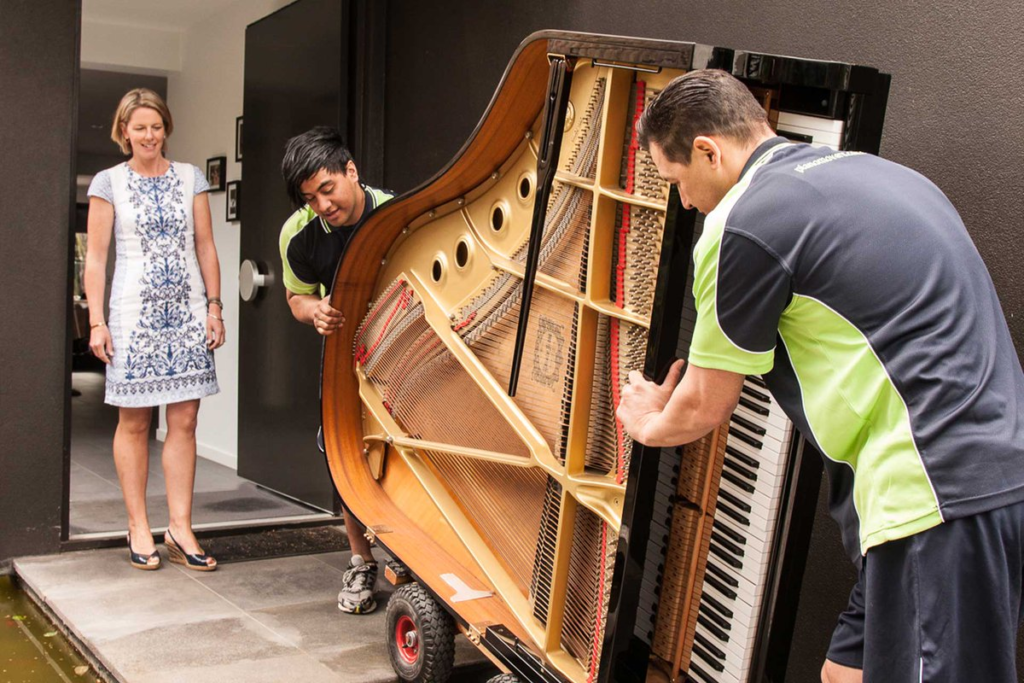
A piano requires more than ordinary furniture-moving techniques because of its size, weight, shape, and delicate internal components. Proper equipment, route planning, careful handling, and secure transportation can help reduce the risk of damage during relocation. Choosing Professional Piano Movers in Parker, CO can also make it easier to manage difficult access points and prepare the right equipment for the job.
Professional assistance can make the process more manageable when the piano has to pass through narrow doorways, around tight corners, over stairs, or across longer distances. With the right planning and handling methods, homeowners can avoid much of the physical effort and complexity involved in relocating a heavy and delicate instrument.
Conclusion
Piano relocation becomes easier when the entire move is planned around the instrument’s size, weight, access requirements, transportation needs, and final placement. Measuring the route, preparing the piano, protecting its surfaces, addressing obstacles, using suitable equipment, and securing the instrument during transportation can help reduce complications during the process.
At Colorado Premier Moving & Storage, we help customers approach specialty moving needs with careful planning and dependable handling. Whether the piano is being moved across the home or transported to a new location, proper preparation can make the relocation more efficient while helping protect the instrument and surrounding areas.
FAQs
How Much Does It Cost to Move a Piano in 2026?
Professional piano moving commonly costs around $200–$1,000, with an average of about $400. Local upright piano moves can cost less, while grand pianos, stairs, long-distance moves, and difficult access can increase the price.
How Many People Are Needed to Move a Piano?
A typical upright piano may require two to three movers, while larger or more difficult moves may require additional people. Grand pianos moved up several flights of stairs can require four to five movers.
Does a Piano Need to Be Tuned After Moving?
Yes. Piano tuning is generally recommended after a move because changes in humidity and the new environment can affect the instrument’s tuning. Current 2026 guidance commonly recommends waiting about two to four weeks after the move before tuning.
Can a Piano Be Moved Upstairs or Downstairs?
Yes, but stairs are one of the more challenging parts of piano moving. The move requires careful route planning, suitable equipment, and enough trained movers to control the piano safely.
What Equipment Is Needed to Move a Piano Safely?
Professional piano moving may require a piano dolly, piano board or skid board, moving blankets, straps, ramps, and other protective equipment. The equipment needed depends on the piano type, weight, access, and moving route.