
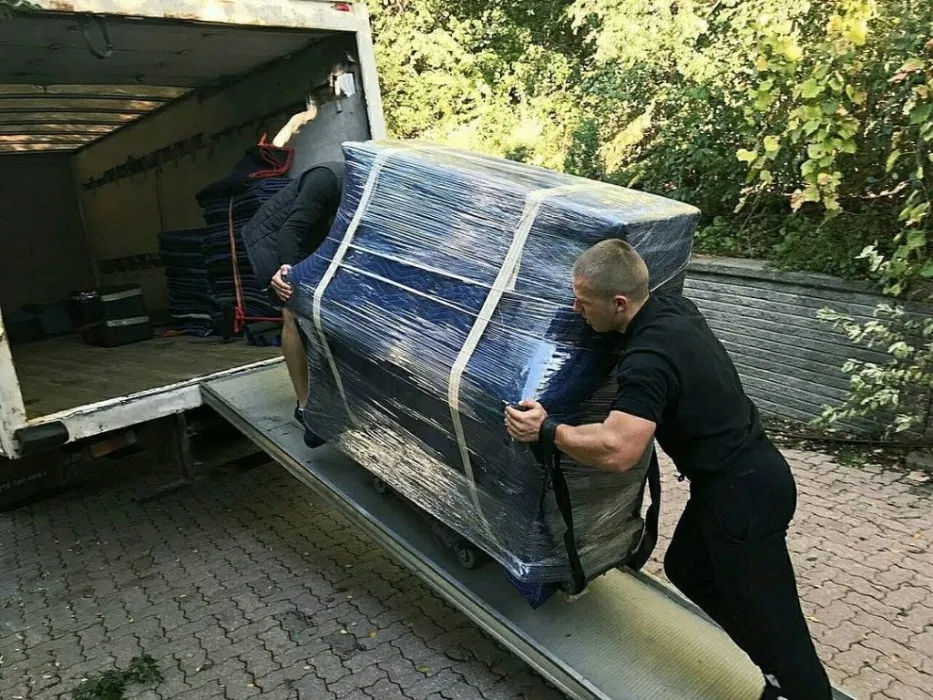
Moving a piano requires careful planning because it is both heavy and delicate. Even a small mistake during packing or transportation can damage its finish, keys, pedals, or internal components. Whether you own an upright piano or a grand piano, proper protection is necessary before moving it to another home. Homeowners in Denver, CO, should prepare the instrument carefully and use the right packing materials to reduce the risk of damage. Understanding how to pack a piano for moving can help you protect its condition throughout the relocation process. Professional piano movers can also handle difficult lifting, narrow doorways, and staircases with specialized equipment.
1. Gather the Right Piano Packing Materials
Before packing your piano, collect all the supplies needed to protect its exterior and delicate parts. Using ordinary household blankets alone may not provide enough protection for a valuable instrument.
Here are some useful materials:
- Moving blankets or thick furniture pads
- Stretch wrap for securing protective padding
- Packing tape for fastening materials
- Corner protectors for exposed edges
- Soft cloths for cleaning the surface
- Strong moving straps for professional handling
- A suitable piano dolly for transportation
Avoid placing adhesive tape directly on the piano finish. It may leave residue or damage the surface. Choose clean, dry packing materials to prevent scratches and moisture problems.
2. Prepare the Piano Before Packing
Preparation helps reduce the chance of damage during transportation. Start by removing loose items from the piano, including sheet music, decorative objects, and accessories. Clean the exterior with a soft cloth to remove dust and debris that could scratch the finish under protective wrapping.
For an upright piano, close and secure the keyboard lid. If the model has removable music stands or other detachable parts, remove and pack them separately when appropriate.
For a grand piano, the preparation process is more complicated. Its legs, pedals, and other components may need to be removed by trained piano movers. Do not attempt to dismantle these parts without the right knowledge and equipment.
Keep all removed components together and label them clearly. This makes reassembly easier after the move.
3. Protect the Piano Keys, Lid, and Exterior
The piano surface needs protection from scratches, pressure, and impact. Start by making sure the keyboard lid is closed and secured without forcing it. Use soft padding around exposed edges and corners.
Wrap the exterior with thick moving blankets. Cover the sides, top, and other exposed surfaces completely. Use stretch wrap around the blankets to hold them in place, but avoid wrapping too tightly. Excessive pressure can damage delicate parts or affect the finish.
Pay special attention to:
- Keyboard area: Keep the keys covered and protected from dust and impact.
- Corners: Add extra padding to prevent dents and scratches.
- Pedals: Protect exposed pedals from bending or impact.
- Wooden surfaces: Use clean padding to avoid scratches.
Do not place heavy boxes or other belongings on top of the wrapped piano.
4. Secure the Piano for Transportation
Once the piano is protected, it must be secured properly for transportation. This step is especially important because pianos have uneven weight distribution and can become unstable during lifting.
A suitable piano dolly and professional moving straps help support the instrument. The piano should remain upright during transportation unless trained movers are handling a grand piano using the correct equipment and procedures.
Before loading, check that the moving vehicle has enough space and that the loading path is clear. Secure the instrument inside the truck so it cannot shift during turns or sudden stops.
Avoid dragging the piano across floors or attempting to carry it without proper lifting equipment. These actions can damage the instrument and surrounding property.
5. Hire Professional Piano Movers in Denver, CO
Packing a piano is only one part of a safe relocation. Moving it through narrow hallways, stairs, and doorways requires proper planning and specialized equipment.
Professional piano movers understand how to handle different piano types, including upright, baby grand, and grand models. They use protective padding, straps, and specialized dollies to reduce the risk of damage during transportation.
Colorado Premier Moving provides piano moving services in Denver, CO. Its team handles valuable instruments with attention to their structure, exterior finish, and internal components. Whether you are relocating within Denver or moving to another residence, professional assistance can make the process safer and more manageable.
Before scheduling your move, share details about your piano type, pickup location, destination, stairs, and access restrictions. This information helps the moving team prepare the right equipment and plan the job.
Conclusion
Knowing how to pack a piano for moving can help protect your instrument from scratches, dents, and transportation damage. Using proper padding, securing loose components, and preparing the piano correctly are important steps. However, heavy instruments such as grand pianos require specialized handling and equipment. If you are planning a piano move in Denver, CO, Colorado Premier Moving can help with professional packing and transportation. Call (303) 296-0483 to discuss your moving requirements and request a quote.
Frequently Asked Questions
1. Can I pack a piano myself for moving?
You can prepare and protect some parts of a piano yourself. However, lifting, dismantling, and transporting it should be handled by trained movers because of its weight and delicate internal components.
2. Should I wrap a piano in plastic before moving?
Stretch wrap can help secure moving blankets, but it should not be applied too tightly or directly against delicate finishes. Make sure the piano is dry before wrapping it.
3. How do you protect a piano during a long-distance move?
Use protective padding, secure the instrument properly, and prevent movement inside the truck. Professional movers can also plan suitable loading and transportation methods.
4. Can an upright and grand piano be packed the same way?
No. Upright pianos generally require less dismantling, while grand pianos may need their legs and pedals removed by trained movers. Each type requires a different handling process.
5. How much does professional piano moving cost in Denver, CO?
The cost depends on piano size, moving distance, stairs, access conditions, and equipment requirements. Request a customized estimate for your specific move.